

PK Panda
AIIMS Rishikesh, India
Title: Factors influencing adherence to highly active anti-retroviral therapy in early and late treatment HIV groups of Indian patients
Biography
Biography: PK Panda
Abstract
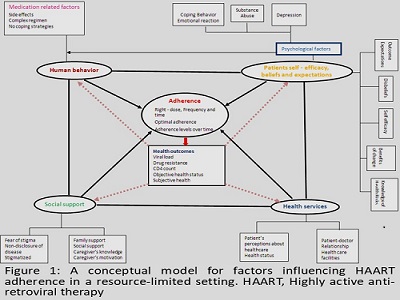
Statement of the Problem: With the growing success of highly active antiretroviral therapy (HAART), adherence to drugs is considered a major keystone in the management of HIV/AIDS. Adherence is second only to CD4 count that determines progression of HIV and is considered as “Achilles heel of HIV management”. Adherence is influenced by determinants of behavior that reside both within and outside of the patient. The purpose of the study was to gain a deeper understanding of the factors that influence adherence to HAART among HIV patients. Methodology & Theoretical Orientation: Semi-structured interviews, guided by a questionnaire based on literature review, were undertaken between two groups of twenty patients (early HAART < 6 months and late HAART ≥ 6 months) and their family members focusing on the adherence factors. These factors included medication, caregiver/family/society, health care service, and patients’ beliefs related factors. These interviews were transcribed and analyzed using qualitative methods. Findings: We found that in both groups adherence was influenced by many barriers like fear of stigma, side effects of drugs, depression, regimen complexity, disbelief, and lack of confidence on the cure. Whereas, it was facilitated by motivation and coping behaviors, reminders, family responsibility/support, seeing examples of successful treatment, and proper education. The studied factors and with the help of literature reviews, we constructed a conceptual model for our health care center to recognizing all possible influencers to adherence and promoting interventions. Conclusion & Significance: The study elucidates high level of self-reported adherence in the resource-limited settings. Both barriers and facilitators to adherence are recognized in both groups of HAART, which need to be quantified in future studies. A conceptual model is created which will identify possible influencers and provide patient-centered quality services to improve HAART adherence in the long run